
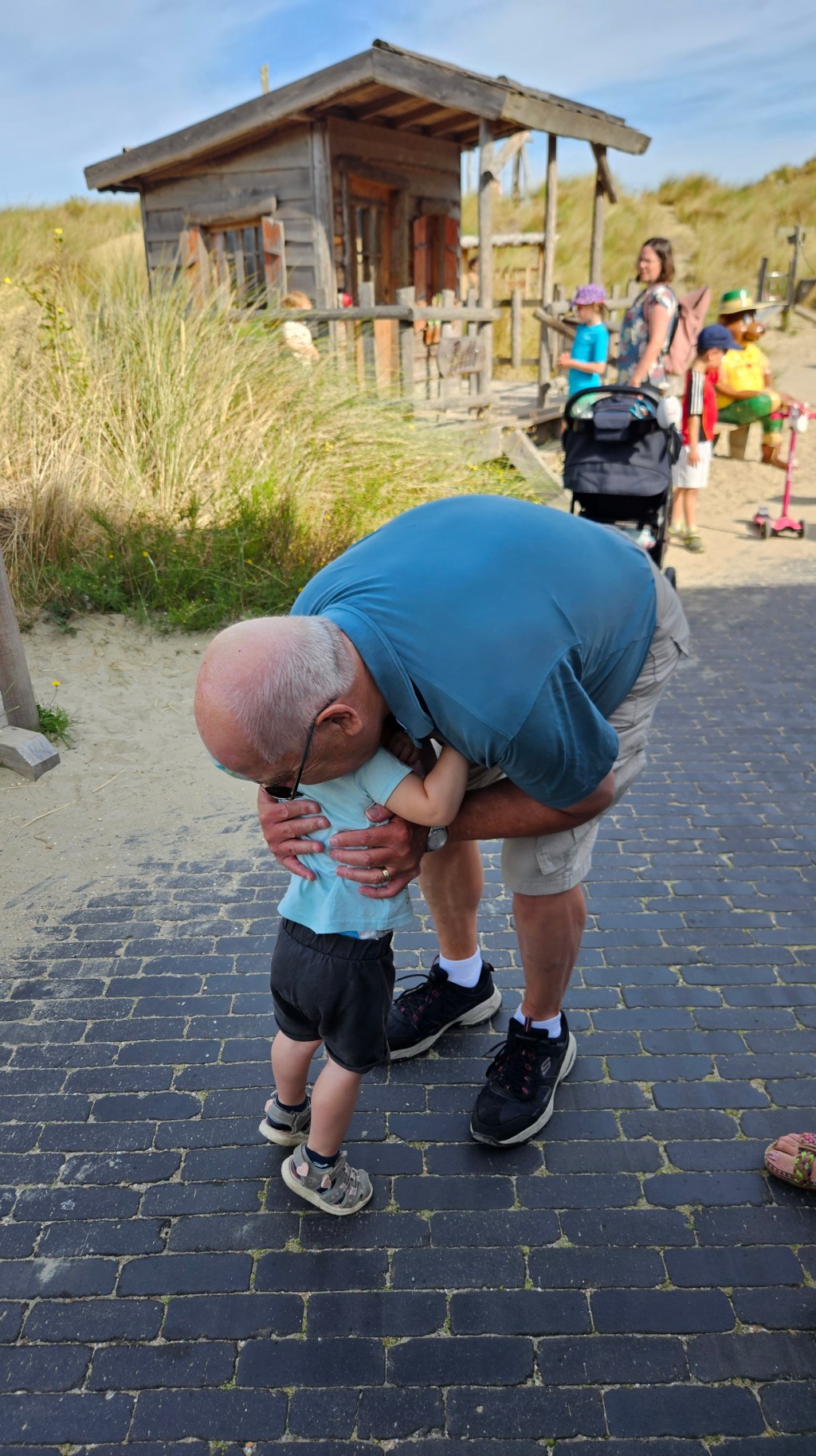
Helping your child feel at home in your language, not just exposed to it.
I think people assume it’s simple.
They see me chatting away in English to my Little Bean and think:
“Of course she’ll grow up bilingual, her mum’s an English teacher!”
But here’s the truth: it’s not that simple.
Not when you’re raising a child in a different country.
Not when your language isn’t the one everyone else around them speaks.
Not when you’re trying to pass on more than just words –
but a whole world of meaning, memories, and identity.
As a professional, I’ve always known that language learning isn’t just cognitive, it’s emotional, too. But watching my daughter grow up bilingual has reminded me of that truth in the most personal way.
What is language connection?
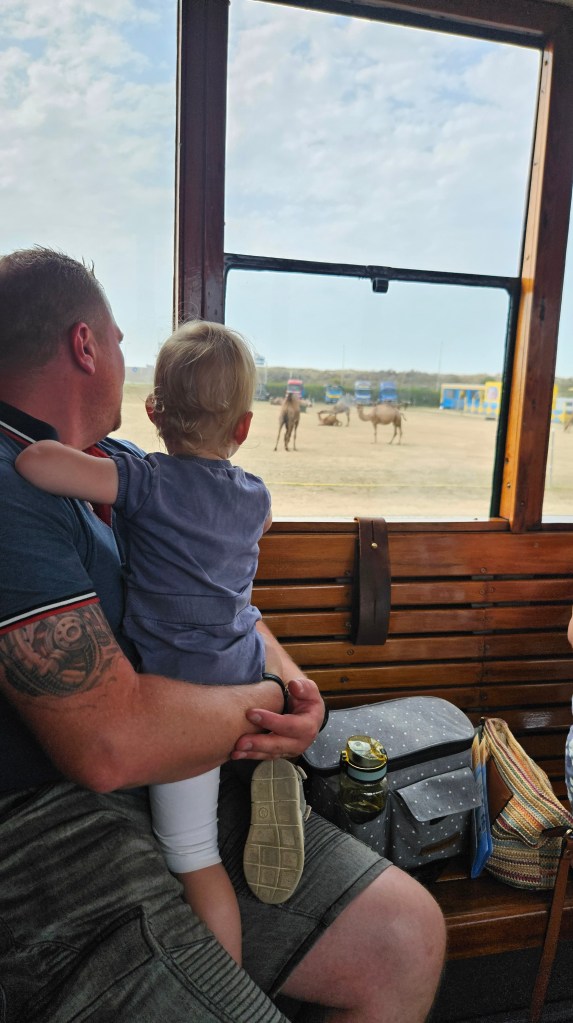
Language connection is the emotional bond a child builds with a language. It’s what makes a language feel like theirs. Not just something they understand, but something they want to use.
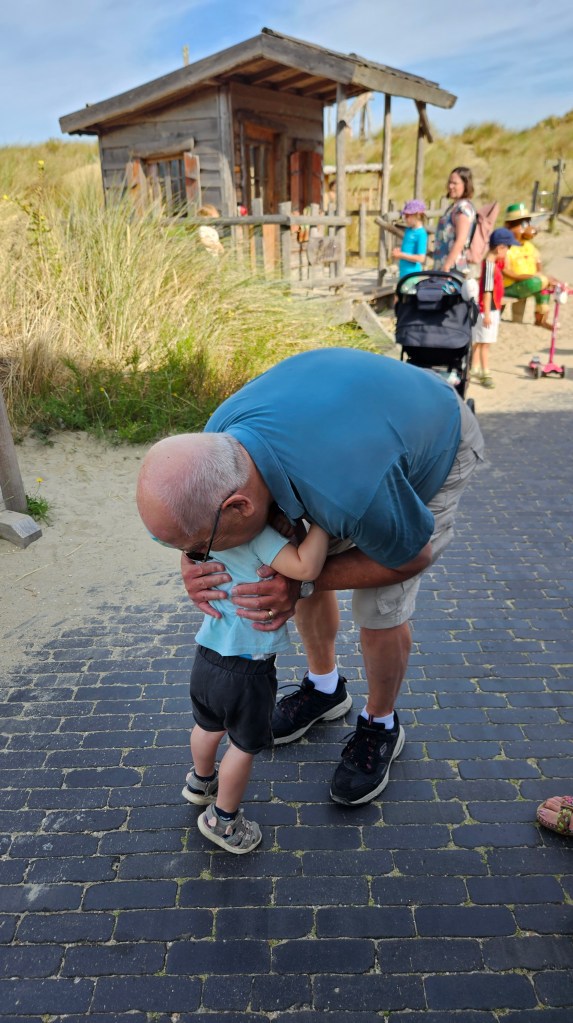
For us, that connection lives in the little things. Coming back from a holiday with my parents and hearing Little Bean say “lazy bones!” or “oi!”, things only Nanny or Grandank would say.
It’s those moments, full of joy, silliness, and familiarity, that make English feel like her language, too.
Why is language connection so important for multilingual families today?
Many of us carry this hope: “I just want my child to speak my language.” So we speak, we sing, we read; we try.
But kids don’t speak a language because we want them to. They speak it when they feel a need, and a desire, to connect.
In our case, that need is family. Little Bean’s grandparents, uncle and little cousin. But I know that without an emotional bond to those people, there wouldn’t be much motivation in her world to speak English. It’s the relationship that sparks the language. Not the other way around.
And that’s why language connection matters.
It’s not just about understanding the language; it’s about wanting to use it.
And when your child pushes back against using your language, that connection becomes even more crucial. Here’s what I wrote about those moments when they say things like “Mama, speak German!”
Culture matters, too.
Even though I speak German fluently and live here, I sometimes feel like I’m in the culture but not quite of it. I don’t always know the nursery rhymes. The TV shows. The little references everyone grew up with.
It’s not just about words, it’s about everything that travels with those words.
The smell of Grandma’s cooking while she hums an old song. The phrases that only come out at family celebrations. The silly expressions that no one else finds funny, because they only work in that one language.
When our kids learn the language we grew up with, they’re not just learning how to speak. They’re stepping into a world of stories, traditions, humour, and connection that might otherwise be out of reach.
Now, with my daughter, I feel this longing to give her something I missed: the experience of being of a culture, not just around it.
That’s why I teach her “Oranges and Lemons,” or sing “Ring a Ring o’ Roses” while we dance around the living room. Why we read Postman Pat and other classics from my childhood. Because I want her to have that same sense of cultural ownership, to be able to talk about it with her English cousin. That feeling of, “I belong in English, too”. It’s about feeling at home in her half-British identity.
What role will language connection play in the future?
We often think of language as a skill — something to measure, something to pass on.
But in the world our kids are growing up in – full of different cultures, communities, and ways of being – I think language connection is going to matter more than ever.
Because when children feel at home in their languages, they also feel at home in themselves. They grow up knowing who they are, where they come from, and how to connect with others who might not share their postcode, but share a part of their story.
That kind of grounding builds not just confident bilingual kids, but open, empathetic humans.
This is the difference I want to make as a parent raising a multilingual child abroad, and as a coach supporting other international families. Not just more language, but more connection.
How do you build language connection?
Here’s what’s working for us, and what I help other families with too:
- Let the language live in warm, everyday moments (snuggles, jokes, rituals). Click here to get my free Cosy Bilingual Bedtime Routines handout.
- Focus on relationships first, not perfect pronunciation, vocabulary or grammar
- Create cultural familiarity through play, songs, food, and books. See here for how to read to your child to boost their language.
- Let your child need your language to get something they want (connection, attention, help)
- And most of all: take the pressure off. Connection takes time. And it’s worth it.
If you’ve found something helpful here, or if it got you thinking about your own journey, know this: you’re not alone.
Raising a child in more than one world isn’t always easy, and it can feel emotionally exhausting – but it’s deeply meaningful. And you don’t have to figure it all out by yourself.
Want to go deeper?
If you learned something new or want to keep exploring these ideas, you can join my email list here – or take a look here at how I can support your multilingual parenting journey in a way that fits your real life.

 The Maaster Plan
Leave a comment