
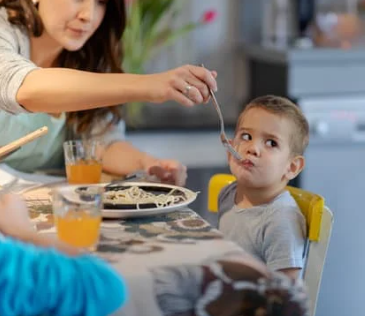
The other day, we were having lunch at a friend’s place. One of those mum-dates where you hope for a bit of conversation, but go into it knowing full well any real chat will be interrupted by a steady stream of “Mamaaa…”
It was me and my daughter, Julie and her little boy, and Julie’s partner. A setup the EU would be proud of! I speak English with my daughter. Julie speaks French with her son. Her partner doesn’t speak French, and my French is… rusty to say the least! So, like many international families living in Germany, we ended up chatting in German, the language we all share and the one that shapes our everyday.
The kids, both just around 2.5 years old, were enjoying theri salad and cheese, babbling their way through the world in toddler-speak. My daughter was doing her thing: mixing English and German in a way that only makes sense if you live in it. German sentence structures peppered with English words. Sometimes the other way around. But always enough German to make herself understood and get what she wants!
We’d all settled into enjoy the help-yourself pinic at the dinner table (I LOVE that kind oflunch!).
Then Julie spoke to her son in French.
He looked at her, blinked, and repeated what she said in German. A toddler version of it, but clearly German.

I caught the flicker in her eyes. Just a moment, but it was there. And I felt it too. Because when your child responds to your language, the one that feels like home, with the language of the outside world, it can sting.
It’s easy to worry, “Is it already slipping away?” But here’s the thing: this kind of moment doesn’t mean something’s going wrong. In fact, it’s surprisingly common.
Even at this young age, children are already little pattern detectives! They might not fully grasp the idea of different languages yet, but they absolutely notice what works. If German is the language most people around them are using, they’ll often go with that. Not out of preference or pressure, but simply because it seems to get the job done most efficiently.
Sometimes, especially in shared-language settings like this, it’s just easier. Quicker. Familiar from daycare or the playground.
So no, Julie’s son wasn’t rejecting French. He was doing what two-year-olds do so well: adapting, experimenting, simplifying.
But that doesn’t make it any easier in the moment, especially when you’re the one carrying the minority language in the family. The weight of keeping it alive, the fear of losing it, the quiet wondering: “Am I doing enough?”
If you’ve ever been there, you’re not alone. You’re doing enough. And no, you’re not doing anything wrong!
What helps in moments like these? Not correcting or pushing back right away, but staying steady. Keep offering your language with warmth and intention. Make space for it in ways that feel joyful and natural. Songs, books, routines, little shared moments. Children don’t need pressure to learn a language. They need connection. And your consistent presence in that language is already doing more than you think.
Want more gentle insights like this in your inbox? Pop your email on my list so I can stay in touch:


Leave a comment